Sudbury in Depth: Classes
Welcome to the Sudbury in Depth series, where we take a deep dive into the philosophy and practice of the Sudbury model. Each episode, 3-4 staff members from different schools will share their perspectives and experiences on a topic. This time, we'll be discussing how classes work in a Sudbury school.
Does your school have classes?
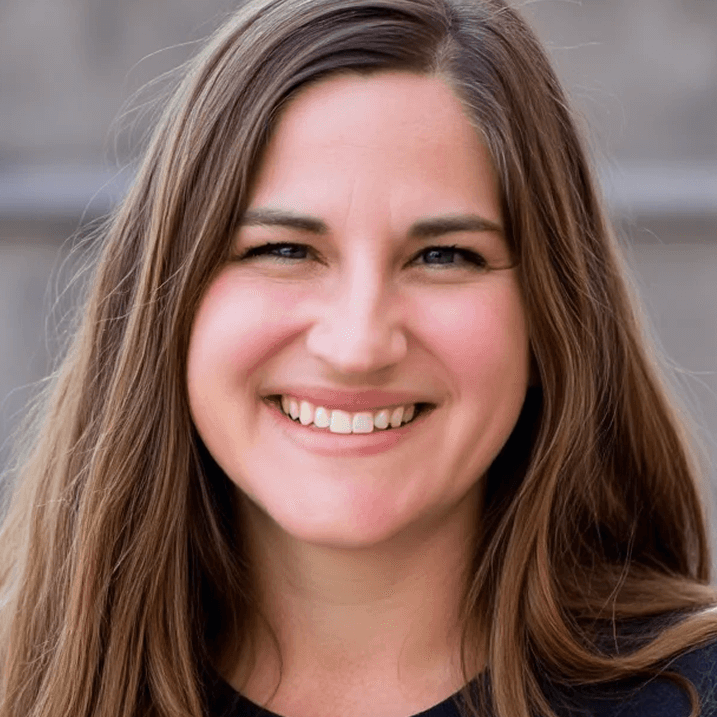
Cassi: The Open School does have classes. We don't have just like a list of classes that all the staff get together and decide to offer. The classes are created in partnership with students.
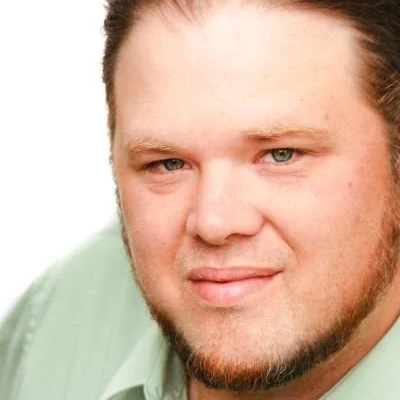
Rick: We frequently have classes. It's pretty rare when there's a week that doesn't have some class that is going on. These can be suggested by students, or sometimes a staff member may ask if we want to have a class on a subject. We also recently instituted a sexual education class, since we wanted to make sure we offered a class in that topic so that our teens had the ability to learn it not just from looking at the internet.
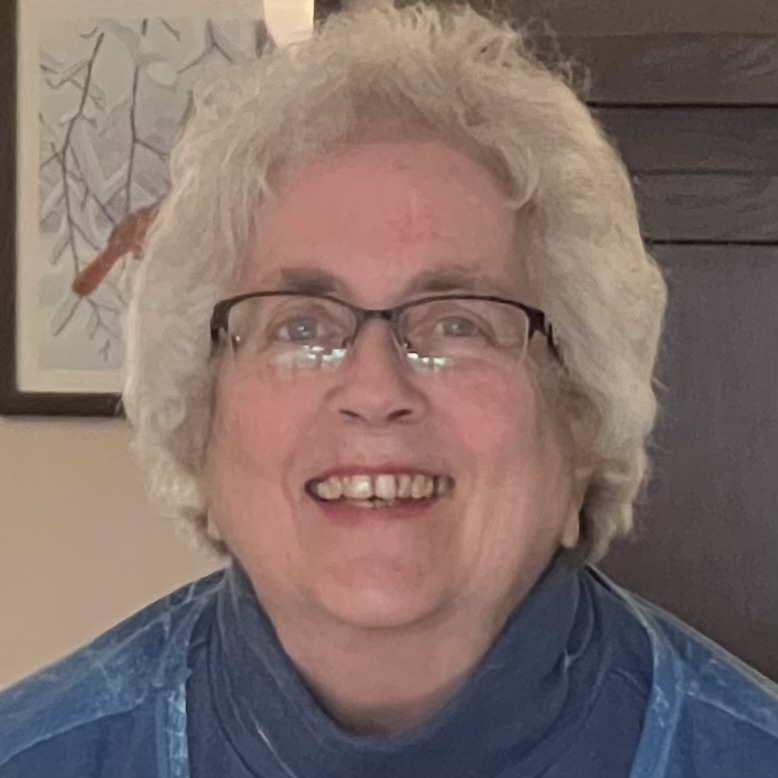
Candy: We do not have any classes that are set up prior to the school starting. Over the years—we've been here 43 years—we have had very few classes. And the classes that we have had have come from students who wanted to have classes, who discovered things that they wanted to know more about, and then found people who were interested in teaching them.
How do classes work?
Rick: Last year, I did a writing class that was more about learning how to write essays. We had multiple students that showed interest in how to write when applying for college, how to write when you're trying to do it a little bit more standardized or a little bit more professionally. I shared a lot of essays for students to look at. I had them pick subjects. But at the end of the day, I was not going to say it's assigned, you have to bring it in on this date. It was more, we are offering this class for you to use it to the advantage you want to. And most of them ended up bringing in papers and writing at home and doing work, but it wasn't ever forced on them.
Once you've signed up for a class, and we've committed either a staff or an outside instructor's time to be there for that time, for that amount of weeks, then it is something that you have signed up to do this. We always encourage students to try it once and then they can say, you know, this isn't for me. But after that first try, then they are committed to doing it for the duration. We very rarely do classes more than once a week, so it'll be more like a six week class on this specific subject where we meet once a week.
Cassi: Because we're waiting until kids ask for classes and they want to do them, we can be much more efficient with our time. So our classes are only one hour a week, compared to a traditional high school where it would be five hours a week or so. And they're small class sizes. So a math class might have two or three kids in it and meet one hour a week. But because those students are ready to learn, they're wanting to go through it. And because of the small class size, we can give more individualized attention. So we can get through the content of a year and a half of classes in a year.
Rick: Sometimes classes are offered by students, taught by students, and staff is not even involved in them. We've had both a math class and an art class in the last two years that were completely student run and no staff involvement whatsoever.
Cassi: One of our kids who's graduating this year, he's a very science and math minded guy. As he grew up he started wanted to do some math classes, and he took some of the first classes The Open School offered. Later, as he got higher up in math, he was able to start teaching Algebra I, and he's been doing that for a year and a half or so. And we've had other students who offer single time workshops and explain something that they know. And that's a really fun experience. I think that younger kids like it better than when the staff do it because teenagers are cool.
Do students take classes outside of the school?
Candy: The local community college lets our kids come and take classes. So there have been a number of kids who've taken classes, particularly kids who were college bound, who wanted to get out of some classes like English composition or something like that. They'll take that at the local community college.
Cassi: We've partnered with Arizona State University. We have a program where students can take college classes online through ASU and they get college credit for those classes. And so we've got kids who can graduate with maybe 3 credits, but depending on how early they start, and they can start as early as 14, they might have 18 or 21 college credits by the time they graduate from The Open School.
Candy: We've also had apprenticeships of all kinds. We had an 8-year-old girl who was very interested in being a vet, and she went through the phone book and found a local vet who would be willing to apprentice her. She did that for 5 years. And once she'd done that, a couple of other kids did it as well. None of them ended up being vets. But they all valued it a lot. We also had students apprentice in welding. And there's a lot of oil and gas around here and there were a couple of guys who really wanted to learn about that, so they went out in the field and found people who would mentor them. We had people who wanted to be musicians and we had people in the community who taught them different musical instruments.
Do students need classes in order to learn?
Rick: There's certainly not an expectation that everyone has to be a part of classes or that you're not going to get something if you don't do classes here. We're never going to go around and say, "You really need to be a part of this class. I see that you need to work on math." We're going to say, "Hey, Susie, we're doing this math class. Would you like to be a part of it?" And if Susie says no, we're going to say, great. And then the next class that comes up, we're going to say, "Hey, Susie, we're going to do a class on this. Do you want to be a part of it?" And if they do, awesome. And if they don't, that's awesome, too.
Cassi: There's no requirement for anybody to take any class. Students can come to our school and start from the age of 5 and graduate and never take a single class. And that's okay because there's so many ways to learn.
Candy: I think the thing that really comes to mind the most when people talk about classes is reading. Because people are always so concerned about reading. We've had students learn to read at age 4 to all the way to 15. They all learn to read. But they don't learn in formal reading classes, and they learn in different ways. Some have learned off the backs of cereal boxes, some have learned in order to play a game that they wanted to play. Most of our kids learn to read by age 10. We had one student who didn't learn to read until he was probably 11. He learned to read in order to play Dungeons and Dragons. There was a very complicated book that he wanted to learn the characters in. He's now a pediatric pulmonologist, so obviously he could read after that. A lot of studies have shown that you can't tell the difference between kids who learn to read late and kids who learn to read early.
Cassi: The kids who have been with us the longest, the ones who started with us when they were little, and maybe this is the only school that they have ever been to, are the ones who want to take classes. By the time they get to age 14 or so, they start to ask for direct instruction and they want more direct classes. I attribute this to a few different things. I think one is they don't have a negative association with classes. It's not coercive education. It's something that they want and they are curious about them. They're curious about what this looks like because all of these millions of children are taking classes all the time, and they never really had to do it.
The other thing is, they're wanting to dig deep into topics. There's so much you can learn through just exploration and conversations and watching videos and reading articles. But if you want to go deep into something, sometimes having an instructor, having someone lead the way for you, is one of the best ways to do that. So I think these kids are ready for that. They want someone to take them deeper into a topic, to guide them down this road a little bit.
I don't think there's any subject where you actually need to learn it through a class. There's some great YouTube video channels that actually explain some of the stuff way better than a teacher. I'm doing an English class right now, and there's a few things when kids write that it seems like they will need to be taught how to do it right, like knowing when to do paragraph breaks when writing a story. But all of our kids have to write to get their diploma, and sometimes that's the only essay that they've ever written. It's cool to see how most of them know how to write without ever having taken a writing class. I think you mostly learn how to write by reading. As an English teacher, that's what I would always say. Trying to tell someone what the grammar rules are is really difficult because so many grammar rules can be broken. But when you just read, you realize, that looks right, that doesn't look right. And you start to almost innately figure it out.
I think if you're going to go into higher level in certain subjects, the most efficient way to do it is through classes. But it's not the only way to do it.
Stay tuned!
Subscribe to receive notifications about new articles in our blog.
By clicking the button you agree to our Privacy Policy
Up next: